
Choosing Between Open-Cell vs. Closed-Cell Spray Foam Insulation
Spray foam insulation keeps gaining popularity for its numerous advantages over traditional insulation options. If you plan to insulate your home, it helps to understand the difference between open- vs. closed-cell spray foam.
As the expert in spray foam insulation, Larson & Keeney Home Services explores the differences between open- and closed-cell spray foam insulation to help homeowners make informed decisions.
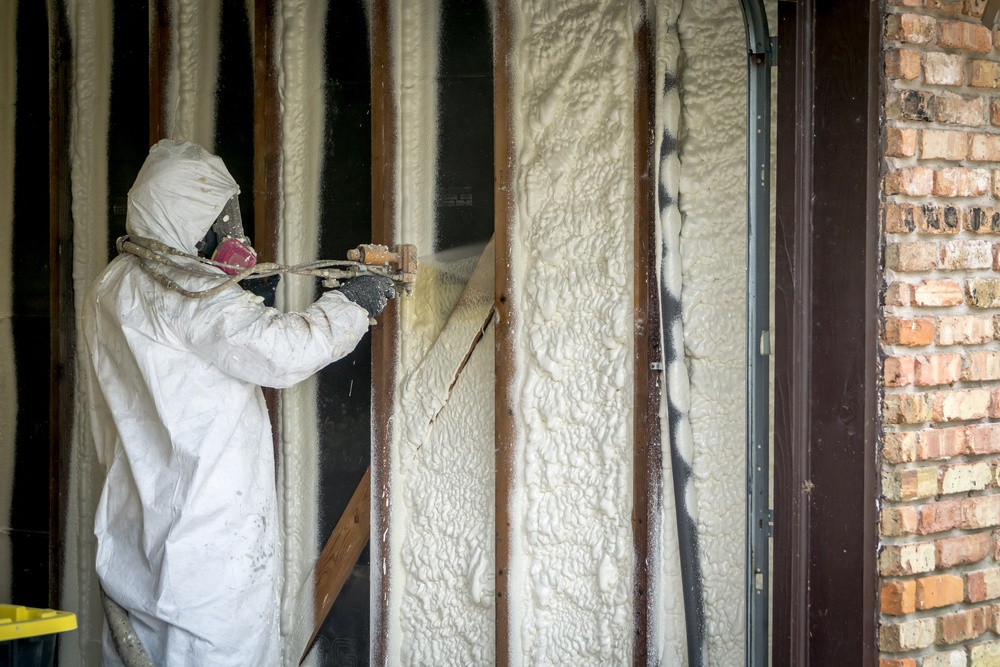
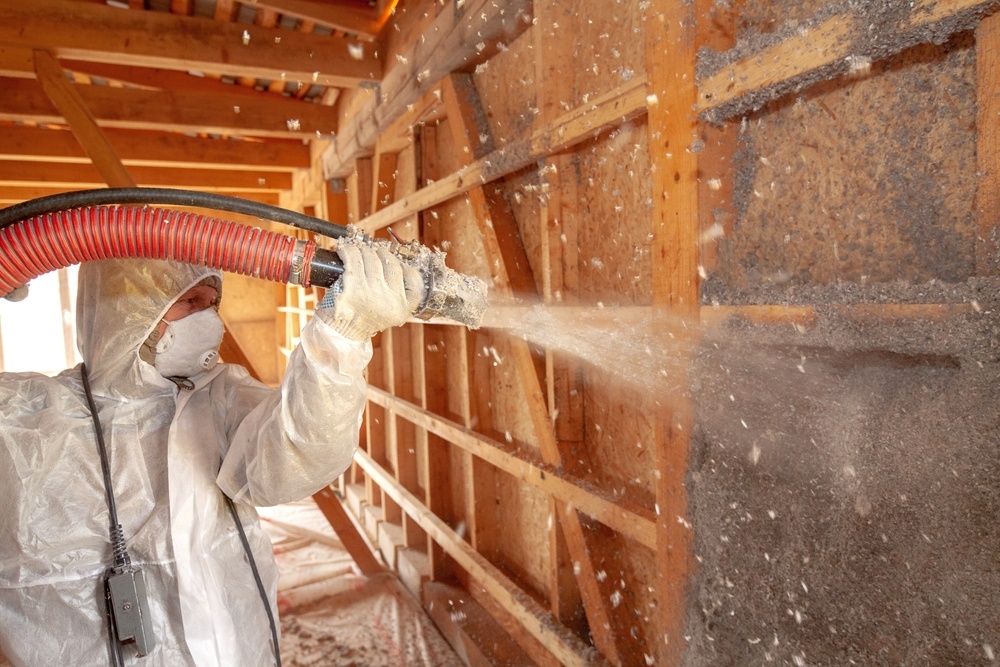
Open-Cell vs. Closed-Cell Spray Foam: Key Differences
Open- and closed-cell foam spray formulations differ in structure, density, R-value, cost, and expansion characteristics. Open-cell foam features cells that are not completely encapsulated, making it relatively soft and flexible.
On the other hand, closed-cell foam densely packs together. The lighter density and flexibility of open-cell foam allow it to perform better than closed-cell when it comes to sound dampening.
Since open-cell foam expands more than closed-cell foam when sprayed, you’ll need more material to cover the same amount of space with closed-cell than open-cell foam. This translates into higher material and potential labor costs for installation.
Advantages and Disadvantages of Open-Cell Spray Foam Insulation
Open-cell spray foam’s softness, flexibility, and low density make it a cost-effective insulation option. Its porous structure allows the foam to absorb noises, making it great for soundproofing, while its lightweight nature and significant expansion capabilities allow it to penetrate nooks and crannies that other insulation methods can’t reach.
However, open-cell foam has its drawbacks. Open-cell spray foam has a lower R-value per inch than closed-cell foam, so achieving the desired insulation performance may require a thicker application. When you compare open-cell vs. closed-cell spray foam, the former allows vapor to penetrate, making it susceptible to moisture absorption.
Advantages and Disadvantages of Closed-Cell Spray Foam Insulation
The tight cell structure of closed-cell spray foam creates a rigid material option with many benefits and versatile applications. Its high density enhances structural support, making it suitable for reinforcing existing structures.
Closed-cell spray foam provides greater resistance to moisture and vapor movement than open-cell foam, making it useful for certain applications in basements, crawl spaces, and other moisture-sensitive areas. Vapor-control performance depends on the product and installed thickness. Thanks to a high R-value, this versatile product also boasts impressive energy efficiency.
However, closed-cell spray foam typically costs more than open-cell foam and is generally less effective at sound absorption. Its reduced flexibility means lower shock absorption and breathability.
Choosing the Best Spray Foam Insulation for Your Needs
How you choose between open-cell vs. closed-cell spray foam depends on the project’s needs. Factors to consider when choosing between the two spray foam insulation options include:
- Budget
- Climate and location
- Desired performance characteristics
- Existing building materials and conditions
Frequently Asked Questions About Spray Foam Insulation
Where Should You Not Use Spray Foam Insulation?
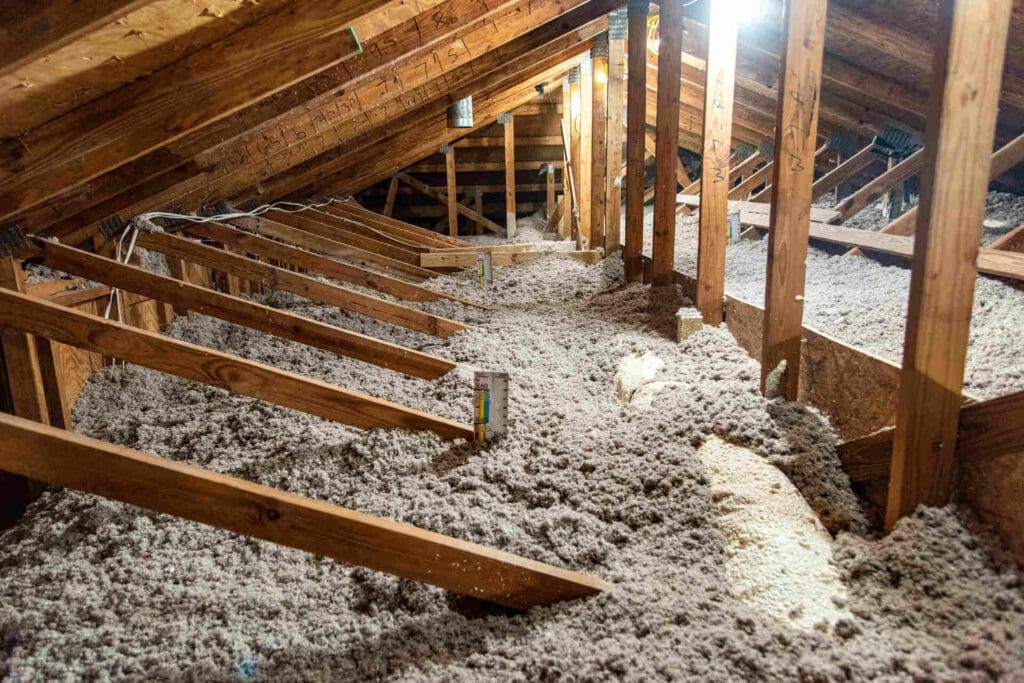
Spray foam insulation will deteriorate after about a year when exposed to the sun, so be sure to apply it in areas where light can’t reach. Spray foam should not be applied without considering ventilation, moisture management, and the home’s existing construction. Attics can be suitable for spray foam insulation when the insulation system is properly designed and installed.
Does Spray Foam Insulation Actually Work?
While spray foam insulation has pros and cons, it offers superior heat flow resistance and enhanced energy savings that make it a worthy investment. A professional contractor can help you choose the most suitable variety.
Trust Larson & Keeney for Your Spray Foam Insulation Needs
Ultimately, the open-cell vs. closed-cell spray foam debate comes down to your needs. Regardless of the type of spray foam you choose, proper installation matters.
At Larson & Keeney Home Services, we have the technical know-how and experience to ensure reliable insulation and energy savings. Count on us for superior workmanship and unparalleled customer service.
Call us today or fill out our form to request a free quote for insulation services in the Fox Valley area.