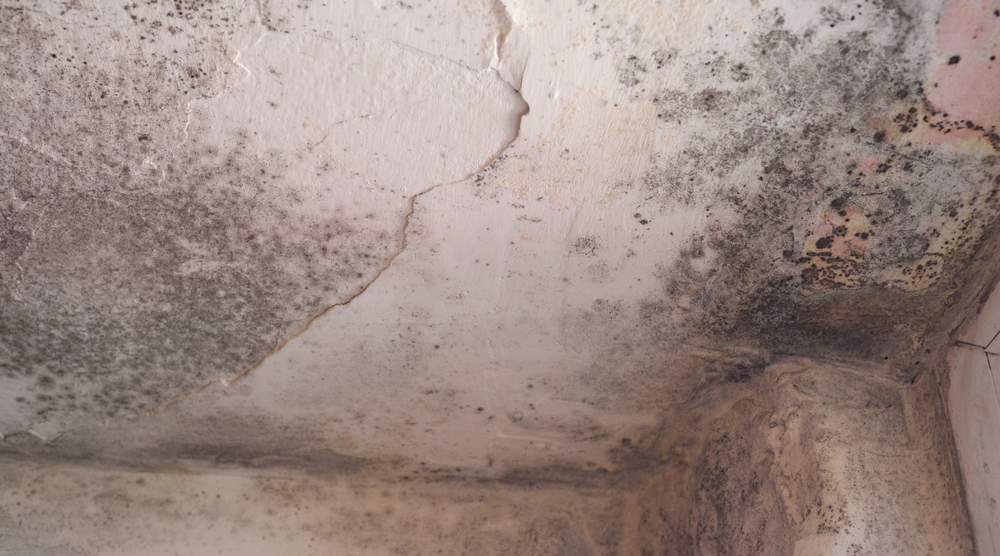
Mold needs three things to grow and thrive: moisture, oxygen, and organic material (food) and, unfortunately, attics are a perfect habitat for mold growth. Something as simple as a bath fan vented into the attic instead of outside the house can start the moisture problem and subsequent growth. So how does mold in the attic form and how can you stop and prevent its growth to keep your home’s occupants healthy and safe?
The Dangers of Attic Mold
Mold should be a huge red flag for any homeowner. Unfortunately, many homeowners don’t even know that they have a mold problem. While mold in the attic might not seem like a big deal since it is separate from the rest of the house, improper air sealing can allow mold spores to infiltrate the living space which can result in a very unhealthy environment for home’s occupants.
Not only is mold extremely hazardous to the health of you and your loved ones, but dangerous for the structure of your home. If left untreated, mold and moisture on organic building materials (e.g., framed walls, roof trusses, roof sheathing, etc.) can result in wood decay that compromises the structural integrity of your roof. Additionally, during the cold Wisconsin winters, excess moisture buildup can lead to the formation of frost on the underside of the roof deck, leading to further dangers.
If you are experiencing attic mold, this is an indication that your home needs attic work.
How to Get Rid of Mold in Your Attic
If you shine a flashlight into your attic and spot dark, blotchy stains on your roof sheathing or rafters, you need a clear action plan. Getting rid of attic mold isn’t just about scrubbing the wood, it requires a permanent, two-part solution to make sure the mold never returns.
Here is the step-by-step process to safely eliminate attic mold:
- Step 1: Professional Mold Remediation
Existing mold spores must be neutralized and cleaned. Because mold can pose respiratory health risks, this should be handled using specialized equipment. Common professional methods include treatments which safely lifts mold off organic building materials without damaging the wood structural integrity of your roof. - Step 2: Remove Contaminated Materials
If your attic mold was caused by a severe moisture issue, your old insulation may have trapped mold spores or suffered water damage. Dirty, compressed, or contaminated insulation loses its thermal resistance and must be professionally extracted from the attic space. - Step 3: Stop the Source of Moisture (Air Sealing)
Cleaning the mold is only a temporary fix if you don’t change the environment that caused it. You must stop warm, humid air from escaping your living spaces into the freezing attic. Certified pros use attic air sealing to close up hidden gaps around light fixtures, wire drops, and plumbing stacks. - Step 4: Upgrade Insulation and Ventilation
Once the attic is clean and air-sealed, installing high-performance blown-in cellulose or spray foam insulation keeps the heat in your home. Paired with balanced roof ventilation, this ensures your attic stays dry, cool, and completely hostile to future mold growth.
How Is Mold in the Attic Formed?
Larry Janesky, founder of Dr. Energy Saver, explains exactly how this happens during freezing Wisconsin winters::
“Heated air – the air that you pay to heat your home – rises and leaks into the unconditioned attic through all types of gaps, such as holes around pipes and wires, canned lights, unsealed attic hatches, and bathroom fans that vent into the attic instead of the outside. During the winter, an unconditioned attic is usually just as cold as the outside, and so are the roof and wooden structures. When heated, humid air infiltrates the freezing cold attic, it will cool down and per each degree, it is cooled, the relative humidity rises 2.2%, often bringing the RH levels in the attic up to 100%, at which point condensation occurs all over the cold surfaces. The wood will soak the moisture and create the perfect conditions for mold to develop.”
3 Steps to Prevent Mold Growth in Your Attic
Preventing mold in your attic requires eliminating the moisture that allows it to thrive. Larson & Keeney Home Services uses a three-pronged approach to keep your attic dry, safe, and healthy:
- Professional Attic Air Sealing: We seal the hidden gaps around pipes, wires, light fixtures, and bath fans to stop warm, humid indoor air from leaking into your cold attic.
- High-Performance Attic Insulation: Installing advanced blown-in or spray foam insulation keeps heat inside your living spaces, lowering your energy bills and regulating attic temperatures.
- Balanced Roof Ventilation: Proper intake and exhaust venting ensure continuous airflow, allowing any minor, incidental moisture to escape before it can condense on your roof deck.
Proper insulation, ventilation, and air sealing will all help to alleviate and eliminate moisture problems within the home and make the home healthier overall. These types of projects also possess energy-saving opportunities due to less heat loss. The insulation experts at Larson & Keeney Home Services are certified Dr. Energy Saver dealers, meaning we have the specialized training to diagnose and remedy these types of unhealthy circumstances and save homeowners money in the process. If you’re not sure if whether your attic has the possibility of growing mold, a Larson & Keeney Home Services technician can conduct a home energy audit to detect any gaps that may be leaking air.
Excess moisture inside a home presents itself in a number of different ways. Knowing telltale signs of moisture and how to best remedy the underlying problems requires a trained eye and a vast knowledge of home science. The insulation experts at Larson & Keeney Home Services have this knowledge and specialize in making homes healthier and more comfortable.