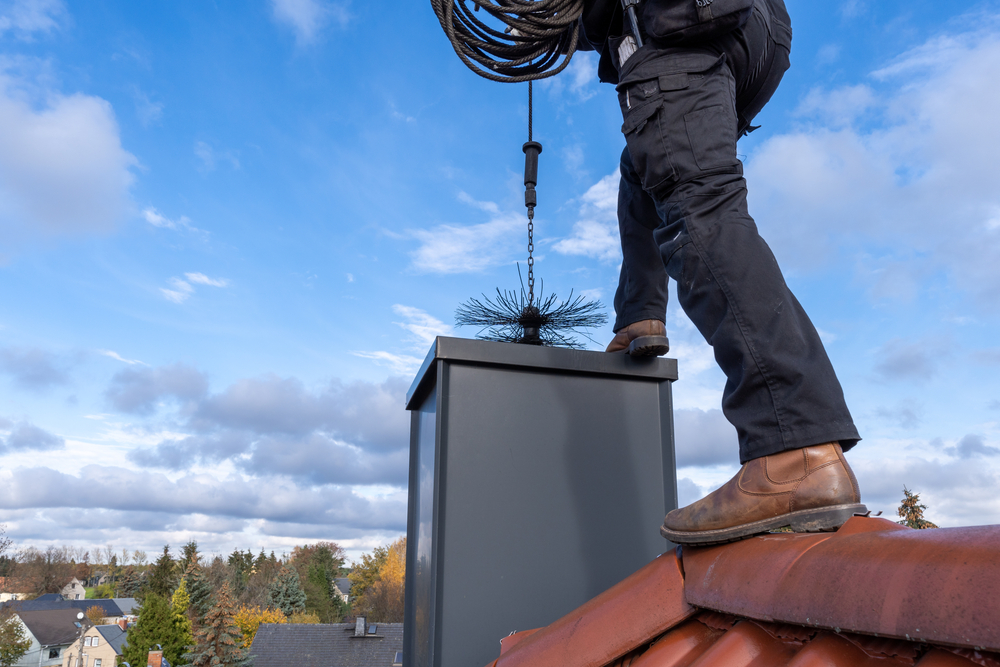
Keeping your chimney clean means keeping your home comfortable. After all, many of us depend on fireplaces for warmth when temperatures drop during the fall and winter seasons. A clean chimney, however, does more than optimize home heating. It prevents fire hazards by maintaining proper airflow in your living spaces.
Regular chimney cleaning is an important element of home maintenance, as it directly contributes to your comfort and safety. So, how often should you clean your chimney to get the most out of your fireplace? In the following guide, we’ll answer this question by reviewing how chimneys work and outlining the dangers of what happens when they get dirty.
How often should you clean your chimney? Your chimney should be inspected at least once a year and cleaned whenever soot, creosote, or other buildup makes cleaning necessary. Wood-burning fireplaces may need more frequent cleaning depending on how often they’re used. An annual inspection helps determine whether cleaning or repairs are needed.
Why Chimney Cleaning Is Important
Prevents Creosote Buildup
As you burn wood in your fireplace, a substance called creosote accumulates in your chimney. This gummy, flammable residue is formed from unburned gas vapors. The more wood you burn, the more creosote builds up, increasing the risk of chimney fires and underscoring the importance of chimney maintenance.
Reduces Carbon Monoxide Risks
A clean chimney is essential for proper ventilation. When debris like creosote, twigs, and dirt clog your chimney, it hinders the release of smoke and toxic gases, including carbon monoxide. This odorless, invisible gas can be deadly if it builds up in your home.
Improves Fireplace Efficiency
A clogged chimney restricts airflow, causing cooler air to circulate and requiring you to burn more fuel to stay warm. Regular cleaning ensures your fireplace operates at peak efficiency with no chimney leaks.
Prevents Animal Intrusions
Small birds, rodents, and insects can make their homes in neglected chimneys, potentially blocking the flue. This obstruction can trap dangerous fumes inside your home, increasing the risk of carbon monoxide poisoning.
How Often Should You Clean Your Chimney?
The National Fire Protection Association (NFPA) recommends having chimneys, fireplaces, and vents inspected annually. Cleaning should be performed when inspections identify soot, creosote buildup, or other conditions that require attention. Several factors influence how frequently chimney cleaning may be necessary:
Type of Fuel Used
Depending on the type of fireplace you own, the kind of fuel it burns can impact how often you’ll need to clean your chimney. For example, wood-burning fireplaces tend to be more prone to creosote buildup than gas fireplaces and will need to be cleaned more often.
Frequency of Use
Frequent use of your fireplace means faster creosote buildup, so you’ll need to have your chimney cleaned regularly. Occasional use, on the other hand, indicates less frequent cleaning but occasional chimney maintenance.
Age and Condition of the Chimney
Older chimneys require more frequent inspections and cleanings. Signs of deterioration, such as cracked or collapsed mortar, may require special attention or chimney repair.
Chimney Cleaning Frequency by Fireplace Type
Wood-Burning Fireplaces
Wood-burning fireplaces typically require more frequent cleaning than gas fireplaces because burning wood produces soot and creosote. If you use your fireplace regularly, buildup can accumulate faster. Schedule an annual inspection and follow your chimney professional’s recommendations for cleaning based on usage and buildup.
Gas Fireplaces
While gas fireplaces produce less creosote, annual inspections are still necessary to check for blockages and damage. Upon inspection, a professional chimney sweep will determine if cleaning is necessary.
Pellet Stoves
If your home is heated by a pellet stove, you may need to schedule frequent chimney cleanings — perhaps monthly during peak use.
Signs That Your Chimney Needs Cleaning
- Smoke enters the room when the fireplace is in use
- Strange odors coming from the fireplace (often caused by creosote buildup)
- Soot or debris falls from the chimney into the fireplace
- Difficulty starting a fire or keeping it burning
Professional vs. DIY Chimney Cleaning
When to Hire a Professional
Hiring a certified chimney sweep for annual inspections is important because, without the proper training, it can be difficult to spot dangerous warning signs. In addition to knowledge, professional chimney experts possess specialized tools to get the job done quickly and safely. Depending on where you live or what kind of property you own, your chimney may also be subject to regulations or local business codes that require trained inspections.
DIY Cleaning
While it may help you save a little bit of money, attempting to clean your chimney by yourself requires the proper tools and safety gear. Hardware stores sell DIY chimney cleaning kits, but in the hands of untrained homeowners, they often result in insufficient work.
The Importance of Annual Chimney Inspections
Even if chimney cleaning isn’t needed, annual chimney inspections can catch early signs of damage or wear. In fact, the National Fire Protection Association recommends having your chimney inspected at least once a year.
A professional chimney inspection includes a detailed evaluation of your entire fireplace system. Using advanced camera equipment and safety gear, certified chimney technicians will ensure your chimney is operating at maximum efficiency, keeping you and your family safe from fire hazards and carbon monoxide exposure.
Key Takeaways
Having your chimney inspected and cleaned by a qualified chimney professional helps reduce fire hazards and supports the safe operation of your fireplace. Annual chimney maintenance keeps warm air inside and dangerous fumes outside, giving you satisfaction throughout the colder seasons.
If it’s been over a year since you had your chimney cleaned or inspected, schedule an appointment with Larson & Keeney Home Services, northeast Wisconsin’s #1 provider of home comfort. Contact us today to ensure your home’s safety and keep your chimney in top condition.