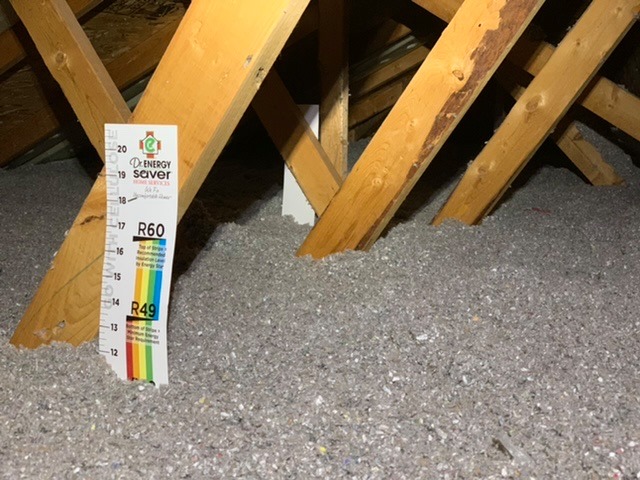
 Many homeowners don’t spend much time thinking about the insulation in their attic. As long as you can trust that it’s keeping your home more comfortable by preventing heat from escaping in the winter and warm air from entering your home in the summer then there isn’t all that much to think about. However, it’s important to consider from time to time the age of your insulation because if it’s old or contaminated, your insulation could actually be affecting the air you breathe in your home, which could result in negative health effects.
While there are many ways that old insulation can hurt the quality of your indoor air, the three most common issues that replacement attic insulation can prevent include:
Unwanted Pests
Wisconsin homeowners are well aware of the common threat of pests such as mice, rats, birds, bats, and insects decided to take up home in your attic. This will lead to pests depositing waste into your insulation that can be sucked into your breathing air or ductwork. Once you get rid of the pests, the removal of the contaminated insulation is the next step. At this point, you will need to seal up all the holes and cracks that caused the pests to leak into your attic in the first place. Finally, adding new attic insulation will provide a more comfortable, energy-efficient home with better indoor air quality.
Indoor Pollutants
Unfortunately, it is a reality that the EPA estimates that indoor air contains two to five times more contaminants than outside air. The most common source of these indoor pollutants can come from paints and paint products, wood preservatives, household cleaners, and office and cleaning supplies. These unwanted materials can sneak into your indoor air as insulation deteriorates and introduces more dust particles and volatile organic compounds into your air.
Moisture Damage
Most homeowners understand that water is a huge risk for insulation because any moisture encountering your insulation will make it entirely ineffective. Water will instantly reduce the heat-resisting qualities of insulation and can even accelerate the mold growth process. If the insulation in your home has succumbed to mold or mildew growth, your family may begin to experience common health-related symptoms, including:
- Runny nose
- Coughing
- Nausea
- Headaches
- Restlessness
- Dry skin
- Watery eyes
- And more
Replacement Attic Insulation Will Instantly Improve Your Home’s Air Quality
If you’re experiencing any of these issues or are aware that your insulation is outdated and could succumb to any of these hazards at any point, it may be time to have replacement attic insulation blown in. New insulation will instantly improve the overall comfort of your home and improve the living conditions for you and your family.