Many homeowners are familiar with the benefits of insulation, but not the different types of attic insulation available. One of these options is cellulose insulation, which is made primarily from recycled paper products, making it a popular, eco-friendly option.
At Larson & Keeney Home Services, we often get asked if cellulose insulation is safe to use. In this article, we’ll address these common concerns and provide you with the facts about cellulose insulation in your home. We’ll explore the key aspects of how safe cellulose insulation is, including its fire resistance and its impact on indoor air quality, moisture retention, and pest control. We’ll also provide tips on installation and best practices to ensure your home’s insulation performs at its best.
What Is Cellulose Insulation?
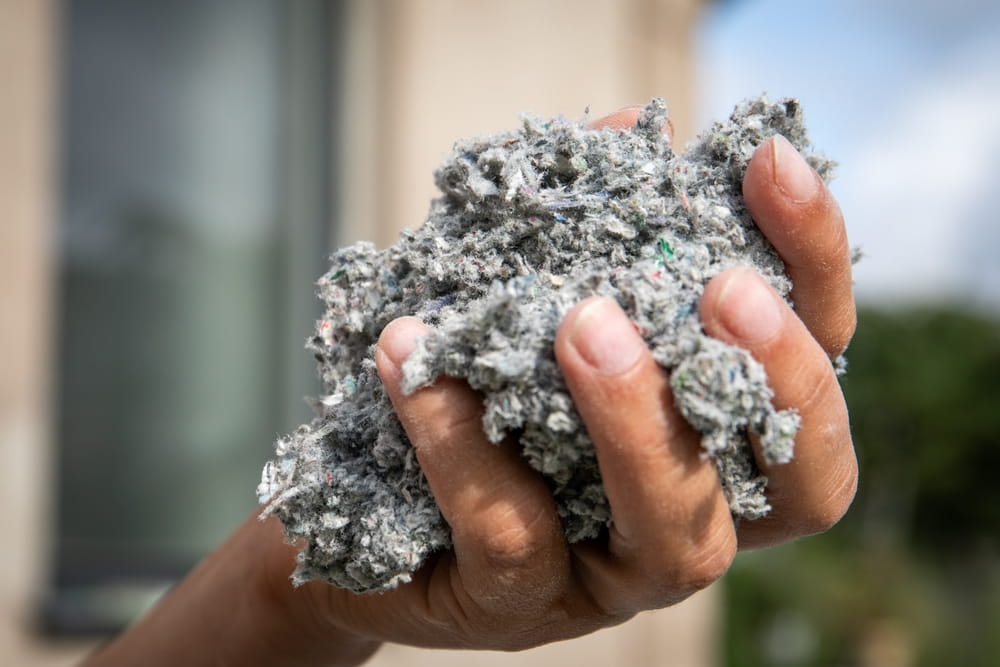
Cellulose insulation is an environmentally friendly option made primarily from recycled paper, such as newspaper. It’s commonly used in attics and walls to help regulate your home’s temperature and reduce energy consumption. This material is treated with fire retardants to ensure it is safe for use within the home.
Typically, cellulose insulation is composed of up to 85% recycled paper products, which makes it a sustainable choice for environmentally conscious homeowners. It is also highly efficient at insulating homes, potentially lowering heating and cooling costs significantly.
Understanding Cellulose Insulation Safety
For cellulose insulation, safety concerns often revolve around its composition, its fire resistance, and whether it poses any risks to your health or air quality once installed.
The good news is that cellulose insulation meets rigorous federal and local safety standards and is tested to ensure it’s a safe, reliable option for homeowners. Cellulose is made from recycled materials and treated with non-toxic fire retardants, giving it a Class 1 fire rating that keeps your home safe long-term.
Fire Safety and Code Compliance
One of the most significant concerns when it comes to insulation is fire safety. When homeowners hear that the insulation is made of paper, one of the first concerns that comes to mind is fire safety. Fortunately, cellulose insulation is treated with fire retardants that provide a high level of fire safety.
Cellulose insulation is treated with boric acid and ammonium sulfate, which are fire retardants that help reduce its flammability. These chemicals make the insulation more resistant to ignition and slow the rate at which it burns. In fact, cellulose insulation is known for its ability to char-burn slowly, which means that it does not catch fire as easily as other options like blown-in insulation.
Additionally, cellulose insulation meets or exceeds the fire safety requirements set by building codes, including ASTM E84 (a test used to determine the material’s flame spread and smoke development properties). It is rated as Class I, meaning it performs well under fire safety tests, offering reassurance to homeowners about its safety and code compliance.
Health and Indoor Air Quality Considerations
Is cellulose insulation safe to touch? This common health concern regarding cellulose insulation arises during installation, particularly from touching the material. While dust can irritate the eyes, nose, and throat, it poses minimal long-term health risks if proper precautions are taken during installation. This includes appropriate personal protective equipment (PPE) to reduce contact with the dust.
Is cellulose insulation safe to breathe? Unlike some other insulation materials, such as foam, which can release volatile organic compounds (VOCs) into the air for extended periods, cellulose insulation has minimal impact on indoor air quality. You can rest assured that this insulation won’t contribute to potential indoor air pollution.
Moisture, Mold, and Pest Risks
One of the drawbacks of cellulose insulation is that it can absorb moisture, which can lead to potential mold growth and pest infestations if not installed properly. If the insulation becomes wet, whether from leaks or high humidity, it may lose its insulating properties, and mold may start to grow. However, if the insulation is installed with a vapor barrier and proper attic ventilation, the risk of moisture accumulation is minimal.
Borate treatments help deter both mold and pests from making themselves at home in your insulation. However, it’s important to note that borate treatments don’t make cellulose waterproof. In areas where moisture is a frequent issue, homeowners need to monitor indoor humidity, repair leaks promptly, and ensure proper ventilation to prevent mold growth.
To prevent mold, homeowners should install cellulose insulation in areas where moisture levels are controlled, such as in well-ventilated attics or drywall cavities. Additionally, using dehumidifiers or ensuring good attic ventilation can help control moisture buildup and reduce mold risks.
Installation and Safety Best Practices
While cellulose insulation is a great option, it’s important to understand the installation process and follow safety protocols to avoid any issues. Proper installation of cellulose insulation is essential for ensuring its safety and effectiveness.
DIY Vs. Professional Installation
Homeowners may consider installing cellulose insulation themselves, but there are several safety factors to keep in mind. DIY installation can generate significant dust, which can be harmful to breathe without proper protection.
Professional installers are equipped to handle the material safely and apply it correctly, ensuring your home is properly sealed to prevent air leaks and moisture issues. If you choose to hire a professional, make sure they use proper containment methods and follow safety guidelines to minimize dust exposure.
Installation Tips for Homeowners
While it’s generally not recommended, if you decide to tackle the installation yourself, follow these best practices:
- Use Personal Protective Equipment (PPE): Always wear a mask, goggles, and gloves during installation to minimize exposure to dust.
- Seal Gaps and Protect Wiring: Make sure to seal gaps around electrical wiring, pipes, and vents to prevent air leaks and ensure proper insulation.
- Have Proper Ventilation and Cleanup: Proper ventilation is crucial during installation to ensure that dust doesn’t accumulate. After installation, clean up any residual dust to maintain air quality in your home.
If you’re particularly sensitive to dust or have respiratory issues, it may be best to temporarily vacate the house during the installation to avoid exposure to airborne particles.
Cellulose Insulation in Green Bay, WI Homes
Is cellulose insulation safe? As a matter of fact, it’s an excellent choice for homes in Green Bay, WI, particularly given the area’s frigid winters and hot summers.
However, moisture control is an important consideration in Green Bay due to its humid summer months. Proper attic ventilation, vapor barriers, and dehumidification are essential for ensuring that cellulose insulation performs at its best, even in environments where moisture could otherwise be a concern.
If you’re considering cellulose insulation for your home, it’s essential to ensure that it’s installed correctly and safely. Contact Larson & Keeney Home Services for expert insulation solutions in Green Bay and the surrounding areas. Our experienced team will help you choose the best insulation for your home and ensure a safe, energy-efficient installation.
Contact us today for a free insulation consultation to assess your home’s insulation needs.