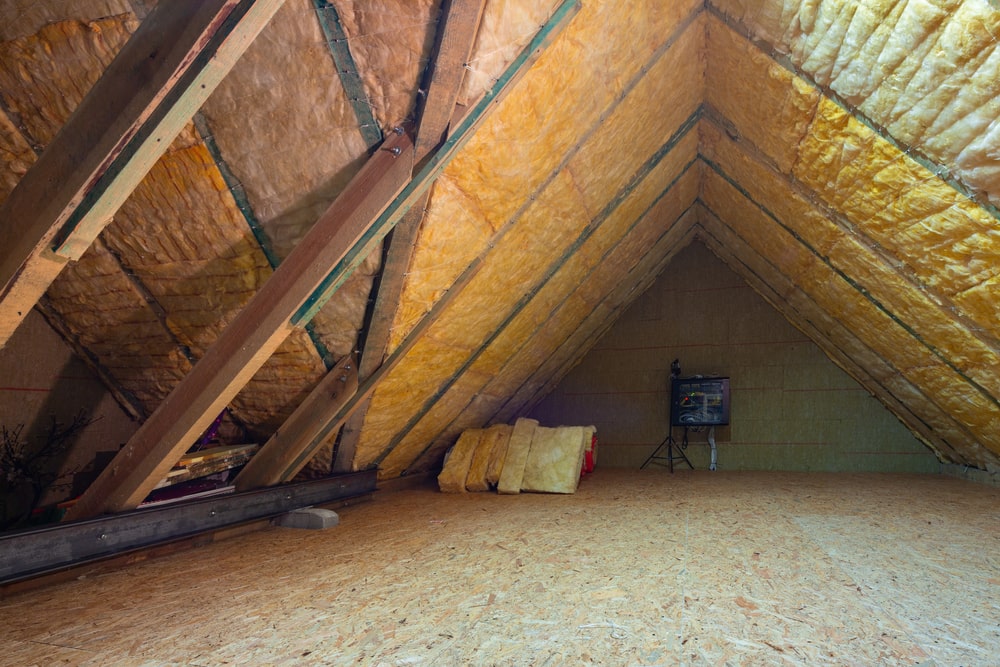
In Wisconsin, where winter temperatures can drop to below freezing, homeowners are always looking for ways to keep their homes warm and energy-efficient. Proper insulation plays a crucial role in achieving these goals.
However, many homeowners don’t realize that roof and attic insulation are different. At Larson & Keeney Home Services, we specialize in helping Wisconsin homeowners make informed insulation decisions that fit their homes’ unique needs. In this post, we’ll break down the difference between roof and attic insulation, explain the benefits and limitations of each, and provide tips on which insulation might be right for your home.
What Is Attic Insulation?
Attic insulation is typically installed on the attic floor, which is the ceiling of the living space below. It helps prevent heat from escaping during the winter and keeps your home cooler during the hot summer months
Attic insulation is often used in:
- Unfinished attics
- Vented attics
- Storage attics
Common Materials & R-Values
Attic insulation is available in various materials, each with its own advantages:
- Loose-Fill Cellulose: Made from recycled paper and treated with fire retardants, this insulation is great for filling gaps and hard-to-reach areas.
- Fiberglass: One of the most common types of attic insulation, available in batt or loose-fill form.
- Batts: Pre-cut fiberglass sections that fit between joists.
The R-value of insulation measures its resistance to heat flow. In Wisconsin, homeowners should aim for an R-value between R-49 to R-60 to ensure adequate protection against the cold. Each material has a different R-value per inch, so be sure to check the specifications before choosing the right one.
Pros & Benefits
- Cost-Effectiveness: Generally cheaper and easier to install compared to other types of insulation.
- Energy Savings: It reduces heat loss in the winter, lowering heating bills.
- Easy to Install: Homeowners can often install attic insulation themselves if they’re looking for a quick and affordable retrofit option.
Drawbacks or Limitations
- It can settle over time, especially loose-fill options, which may reduce effectiveness.
- The attic remains unconditioned and can still be subject to temperature extremes.
- If air sealing is not done correctly, it can lead to energy loss and moisture issues.
What Is Roof Insulation?
Roof insulation is installed directly on or under the roof deck (rafters), unlike attic insulation, which is placed on the attic floor. Roof insulation is ideal for homes with conditioned attics, converted attics, or cathedral ceilings where the attic space is part of the living area.
This type of insulation is often used in homes with a finished attic, particularly if HVAC systems or ducts are located in the attic space.
Materials & R-Values
Common materials used for roof insulation include:
- Closed-Cell Spray Foam: This material provides high R-values and acts as both insulation and air sealant, helping to prevent air leaks.
- Rigid Foam Boards: These are commonly used in roof insulation to reduce thermal bridging and increase energy efficiency.
- Blown-In Insulation: Similar to spray foam, this offers good thermal performance.
Roof insulation typically requires higher R-values than attic insulation to prevent heat from escaping your home in the winter. It’s essential to also consider air sealing when insulating the roof deck to avoid condensation issues.
Pros & Benefits
- Continuous Thermal Envelope: Roof insulation creates a continuous barrier, helping to maintain a consistent temperature in the attic space, turning it into a conditioned area.
- Better Moisture Control: It reduces the risk of condensation forming in rafters.
- Noise Reduction: It helps reduce outdoor noise, making the interior of your home quieter.
Roof insulation is ideal for homes with HVAC systems or ductwork in the attic, as it helps keep the attic space at a stable temperature.
Drawbacks / Tradeoffs
- Higher Upfront Costs: The cost of a roof insulation installation tends to be more expensive than attic insulation.
- Complex Installation: Proper installation often requires professional help due to the need for air sealing and moisture control.
- Maintenance/Inspections: Roof insulation requires careful maintenance to prevent moisture-related issues, especially in unvented roofs.
Comparing Energy Efficiency & Cost
Both attic and roof insulation offer great energy-saving potential, but in different ways. Roof insulation often provides better insulation for the cost, particularly when the attic is part of the conditioned living space.
While roof insulation generally costs more upfront, it offers long-term energy savings by reducing heat loss through the roof and preventing cold drafts. For colder climates like Wisconsin, investing in a higher R-value can lead to significant savings on heating bills.
For homes with unfinished attics or unvented roofs, attic insulation remains the more cost-effective solution, though roof insulation may be beneficial for those with finished attics.
Moisture, Ventilation & Building Science Considerations
Proper insulation isn’t just about keeping heat in; it’s also about managing moisture. When roof insulation isn’t paired with the correct air sealing and vapor control, condensation can form in the attic, leading to mold growth, ice dams, and potential structural damage.
Ventilation is also key. Without proper attic venting, heat and moisture can accumulate, causing problems like:
- Ice Dams: These form when heat from the attic melts snow on the roof, causing water to refreeze on your roofline.
- Mold Growth: Excess moisture can lead to mold growth, which can damage your home’s structure.
For Wisconsin’s cold winters, it’s crucial to balance insulation, air sealing, and ventilation to prevent these issues.
When Should Homeowners Choose Attic Insulation vs Roof Insulation?
While both attic and roof insulation keep your home comfortable year-round, they each have their own uses. Depending on the style and layout of your home, you may need some combination of one or the other. Here’s a quick look at the uses for each:
Best Uses for Attic Insulation
- Unfinished Attic Used Only for Storage: Attic insulation is ideal for spaces that aren’t used as living areas.
- Budget-Conscious Retrofit: If you’re looking for an affordable way to improve your home’s energy efficiency, attic insulation is a great option.
- Vented Attics: For vented attics or attics primarily used for storage, insulating the attic floor is a cost-effective solution.
Best Uses for Roof Insulation
- Finished or Conditioned Attic: If your attic is part of the living space, roof insulation is the better option to maintain consistent temperatures.
- HVAC Equipment or Ductwork in the Attic: Insulating the roof helps maintain a stable environment for HVAC systems and ductwork, improving energy efficiency.
- Cathedral Ceilings: Roof insulation is necessary for homes with non-traditional roof structures like vaulted or cathedral ceilings.
When to Use BOTH
In some cases, both attic and roof insulation may be needed. If your budget allows, adding roof insulation on top of attic insulation can maximize energy efficiency and provide extra benefits like better moisture control.
How Larson & Keeney Home Services Can Help
Insulation is key to reducing your energy costs, controlling moisture, and improving comfort in your home. Whether you choose attic insulation, roof insulation, or both, acting early can help you avoid higher repair costs down the road.
At Larson & Keeney Home Services, we specialize in providing ultimate insulation solutions tailored to Wisconsin’s unique climate challenges. Our team of experts can assess your home’s needs and help you choose the best insulation strategy for energy efficiency and comfort.
Contact us today for a free insulation consultation to assess your home’s insulation needs.