
You’re watching the rain pour during a heavy spring storm, then you notice it. The water isn’t flowing through your gutters like it’s supposed to. Instead, it’s spilling over the sides and splashing down near your home’s foundation.
If you’re wondering why your gutters are overflowing, you’re not alone. This is one of the most common issues homeowners face, especially in areas like Wisconsin where heavy spring rainfall and constant freeze-thaw cycles put extra stress on gutter systems.
The good news? Most causes are easy to identify and fix. Our team at Larson & Keeney Home Services will break down the five most common reasons your gutters are overflowing, how to fix them, and what you can do to prevent the problem long-term.
Why Overflowing Gutters Are a Bigger Problem Than They Look
Overflowing gutters might not seem like a big deal at first, but the damage they cause over time can quickly add up. When water spills over instead of draining properly, it can lead to:
- Fascia and roof rot from constant moisture exposure
- Foundation erosion as water pools around your home
- Basement leaks or flooding during heavy rain
- Landscape damage, including washed-out soil and mulch
- Pest issues from standing water attracting insects
Foundation repairs alone can cost anywhere from $5,000 to $15,000 or more. Compared to that, maintaining your gutters is a small investment with a big return.
If you’re already noticing that your gutters are overflowing in heavy rain, it may be time to schedule professional gutter services to prevent long-term damage.
5 Reasons Your Gutters Are Overflowing
Most gutter problems come down to a few common issues. Keeping an eye out for these issues can help you catch problems before they turn into costly water damage repairs later down the road.
Here’s what to look out for:
1. Clogged Gutters
This is the most common cause of overflowing gutters we see in Wisconsin. Leaves, twigs, shingle grit, and debris can start to build up over time, blocking water from flowing properly toward the downspout.
Here’s how to fix overflowing gutters from a clog:
- Clean your gutters at least twice per year (spring and fall).
- Increase cleaning frequency if you have nearby trees.
- Flush gutters with water after cleaning to check for proper flow.
- Install gutter guards to reduce debris buildup long-term.
Gutter guards are more than a temporary fix. They’re one of the most effective ways to prevent recurring clogs and reduce seasonal gutter maintenance.
2. Improper Gutter Slope (Pitch)
Gutters aren’t meant to sit perfectly level. They need a slight slope, about ¼ inch for every 10 feet, to guide water toward the downspouts.
If the pitch is:
- Too flat → the water pools and overflows.
- Too steep → the water rushes past the downspout.
Here’s what you can do to fix this:
- Check the slope using a level or by observing water flow
- Adjust or re-hang brackets to correct alignment
- Call a professional for a full re-pitch if needed
This is one of the most overlooked causes of water overflow and can make even clean gutters fail during periods of heavy rain.
3. Undersized Gutters or Too Few Downspouts
Not all gutter systems are built for the same volume of water. Standard 5-inch gutters may struggle on steep roofs or during heavy rainfall, which is common in northeast Wisconsin. A good rule of thumb to follow is to have 1 downspout per 20–30 feet of gutters.
If your system can’t keep up with the rainfall, water will overflow even if everything’s clean.
To fix this, you can:
- Upgrade to 6-inch gutters for higher capacity
- Add additional downspouts to improve drainage
- Install seamless gutters designed for heavy water flow
Some high-capacity systems, like Gutter Shutter®, are designed to handle significantly more water than traditional gutters, making them ideal for homes in high-rainfall areas.
4. Clogged or Undersized Downspouts
Downspouts play a critical role in your gutter system. If they can’t keep up, everything backs up. Even if your gutters are clear, a clogged or narrowed downspout can stop water from draining properly.
If your downspouts are clogged, you may notice:
- Water pooling at the base of the downspout
- Staining or overflow near the outlet
- Soggy soil around your foundation
Here’s what you can do to fix clogged downspouts:
- Flush the downspout with a garden hose
- Use a plumbing snake to clear stubborn clogs
- Upgrade to larger 3×4-inch downspouts
- Extend the discharge point at least 5 feet from your foundation
5. Gutters Pulling Away from the Fascia
If your gutters are sagging or separating from your home, water can run behind them instead of into them. This leads to hidden damage along your roofline and siding.
In many cases, this happens due to aging hardware, improper installation, or water weight from debris buildup.
Here are some ways you can fix this:
- Reseal small gaps with gutter caulk
- Re-secure sections using new spikes or hidden hangers
- Replace severely sagging sections entirely
Poor installation is a common cause that many homeowners don’t consider. If your system wasn’t installed correctly, repairs may only be a temporary fix. A professional gutter installation ensures proper alignment, support, and long-term performance.
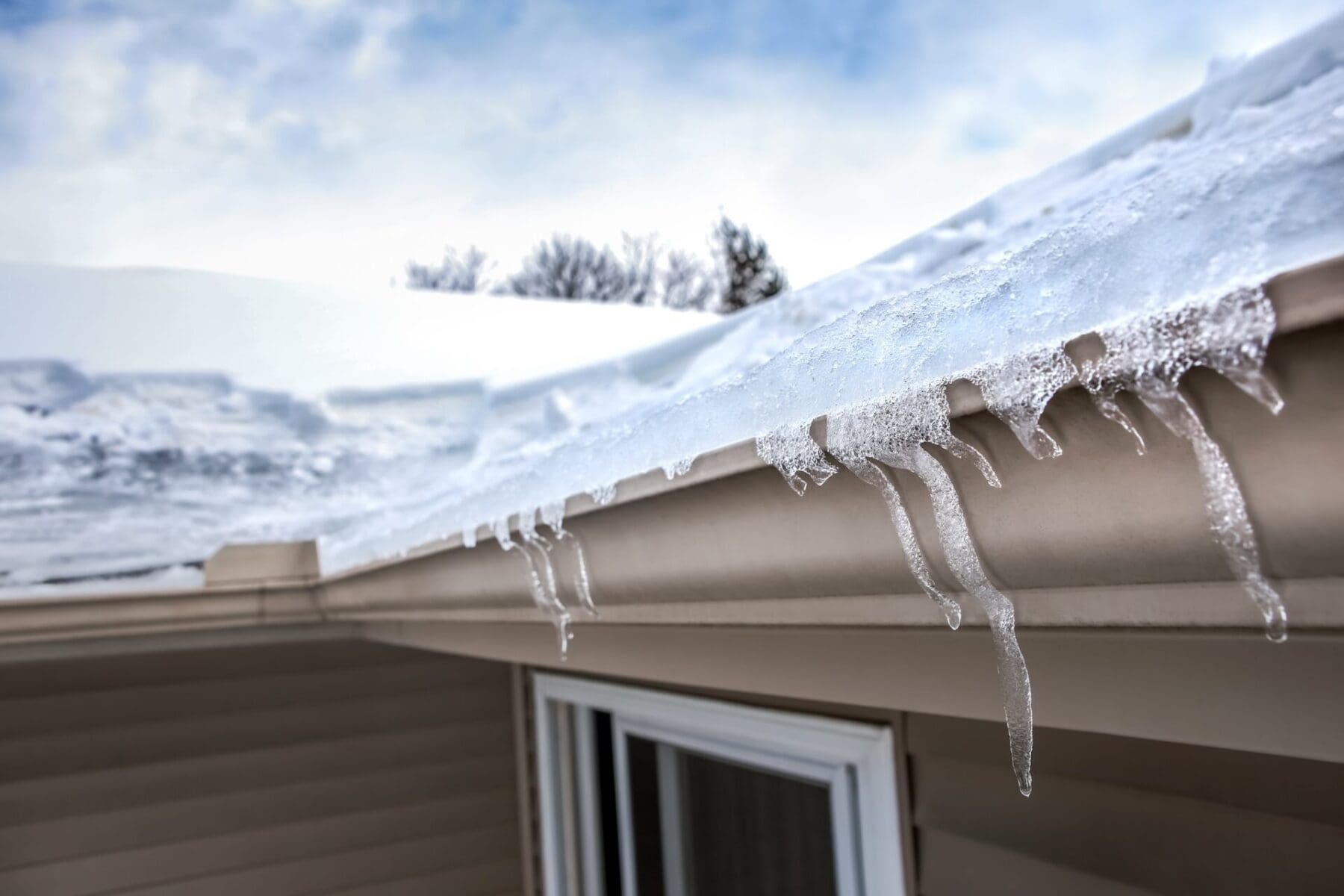
6. Ice Dams and Winter Overflow
In Wisconsin, winter can be just as hard on your gutters as spring storms. Ice dams can form when warm air from your attic melts snow on your roof. That water refreezes at the colder edges, creating a barrier that traps water runoff.
This often results in water backing up under your shingles, your gutters overflowing, and interior water leaks on your ceiling or walls.
Some easy fixes to prevent ice dams include:
- Improving attic insulation and ventilation
- Sealing air leaks that allow heat to escape
- Using heat cables as a temporary winter solution
Long-term prevention often starts inside your home. Upgrading your attic with professional insulation services can help regulate indoor temperatures and reduce ice dam formation.
The Long-Term Fix — Do Gutter Guards Actually Work?
Many homeowners wonder if gutter guards are worth the investment. The short answer: they are! You just need to choose the right system.
Not all gutter guards are created equal. Lower-quality mesh screens can still allow debris to build up, while premium systems are designed to handle both debris and water flow efficiently.
Here’s a quick comparison of the different types of gutter guards:
| Type of Gutter Guard | Effectiveness | Maintenance | Best For |
| Mesh Screens | Moderate | Medium | Light debris areas |
| Reverse Curve Systems | High | Low | Heavy rainfall |
| Foam Inserts | Low–Moderate | High | Temporary solutions |
| Micro-Mesh Systems | High | Low | Fine debris protection |
High-quality gutter guards can dramatically reduce clogs and maintenance needs. The key is choosing a system that fits your home, environment, and long-term goals.
DIY Fix or Call a Pro? A Quick Decision Guide
Not every gutter issue requires a professional, but some definitely do. If you’ve tried cleaning and the problem keeps coming back, it’s usually a sign of a larger system issue, not just debris.
| Situation | DIY or Pro? |
| Gutters just need cleaning | DIY (if there’s safe ladder access) |
| Minor slope adjustment (1–2 brackets) | DIY |
| Gutters are pulling away across multiple sections | Pro |
| Gutters are undersized for your roof | Pro |
| Persistent overflow after cleaning | Pro |
Stop Overflowing Gutters Before They Become Water Damage
Overflowing gutters are more than a seasonal annoyance. They’re a warning sign that your system isn’t working the way it should. The good news is that most issues are easy to fix once you know what to look for.
If you’re unsure what’s causing the issue, our team at Larson & Keeney Home Services is ready to help. We’ll inspect your gutters and help you find the right solution before small problems turn into costly repairs. We also offer system upgrades that can save you time, money, and stress in the long run. Contact us today to resolve overflowing gutters with a Gutter Shutter or gutter guard installation!
Frequently Asked Questions About Overflowing Gutters
Why are my gutters overflowing even though they’re not clogged?
If your gutters are clear, the issue is likely related to slope, undersized gutters, or a blocked downspout that’s preventing proper drainage. A professional can take a look at your system and diagnose the root cause of your overflowing gutters.
How do I stop my gutters from overflowing in heavy rain?
Start by cleaning your gutters, then check the slope, ensure downspouts are clear, and consider upgrading to larger gutters or installing guards.
Can overflowing gutters cause foundation damage?
Yes. When water pools around your home, it can erode soil and create pressure against your foundation, leading to cracks or leaks over time.
How often should gutters be cleaned to prevent overflow?
You should clean your gutters at least twice per year. Homes with heavy tree coverage may need to clean their gutters 3–4 times annually.
Are gutter guards worth it?
High-quality systems are worth it for most homeowners. They reduce maintenance, prevent clogs, and improve water flow. Premium systems like Gutter Shutter® even offer no-clog warranties.
What size gutters do I need?
Most homes use 5-inch gutters, but 6-inch systems are better for steep roofs or areas with heavy rainfall.