Updated July 20th, 2026
Indoor allergens are more common than you might think. Although allergies come and go for many with the changing seasons, specific allergens in your home can lurk year-round.
The side effects of allergies include but are not limited to, postnasal dripping, watery eyes, sneezing, nasal stuffiness, and a runny nose, to name a few. A home should be a place that is both comfortable and healthy to live in, not one that exacerbates the problem and compromises your health.
Here is a list of the four most common indoor allergens:
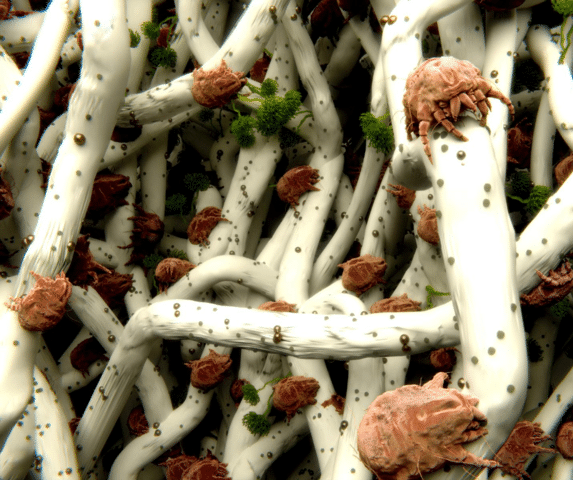 1. Dust mites
Dust mites are stealthy, to say the least. They are tiny, invisible insects that naturally live indoors. They can attach to the fibers on pillows, curtains, blankets, carpeting, mattresses, upholstery, and stuffed animals with the sticky pads on the end of their legs – yikes! Dust mites absorb moisture out of the air with the glands on their forelegs. Places with over 60% humidity are where dust mites thrive most.
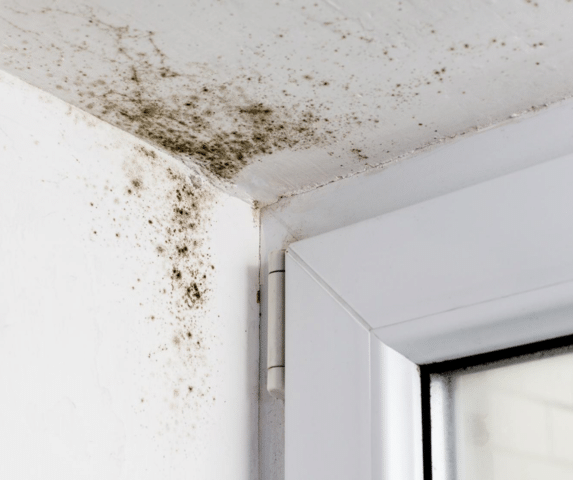 2. Mold
Mold is a silent killer – it’s horrible for your health! If left untreated, mold can spread rapidly on organic materials such as carpeting, plywood, wood, drywall, and even leather. Mold produces airborne spores by the millions (yes, the MILLIONS) that float on air currents. Mold grows where condensation occurs.
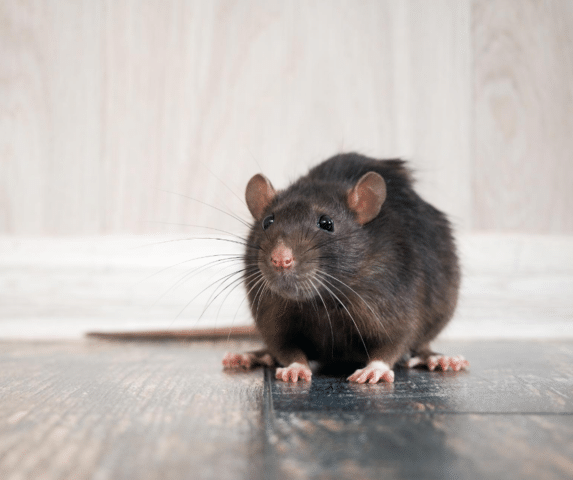 3. Pests
Did you know that small rodents and cockroaches can give off allergens? Well, they sure can! When they slip through small cracks and gaps, they bring many allergens with them and may even leave some urine droplets in your home, as well.
 4. Pollen
Pollen affects many people come spring and summertime. Pollen comes from trees and grass and can easily find a way inside your home through clothes, hair, and can even get blown into your home through gaps and cracks.
What’s the solution?
The goods news is that many of these indoor allergens can be significantly reduced if not completely eliminated altogether. How, you ask? The answer is air-sealing. The majority of houses have excessive air exchange with the outdoors through small cracks and gaps in their foundation, walls, and floors. Not only are these cracks and gaps a gateway for small rodents and pests, but they allow air in from the outdoors that can be cold, humid, or pollen-infused.
Your home doesn’t have to be an uncomfortable and unhealthy place to live. Let us help you create a living space that is comfortable, healthy, and energy-efficient for you and your loved ones.