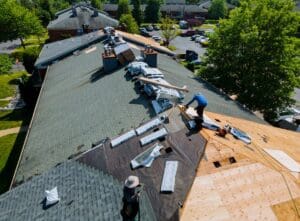
Wisconsin homes go through more than 150 freeze-thaw cycles every year. The constant shift between freezing and melting puts serious stress on your roof. One of the most important defenses against water damage during these cycles is something many homeowners rarely think about: roof flashing.
What is roof flashing? Roof flashing is a thin material installed around vulnerable areas of your roof to direct water away and prevent leaks. It acts as a protective barrier at joints, edges, and openings where water is most likely to seep in.
Drawing from over 15 years of experience serving Wisconsin homeowners, our Larson & Keeney Home Services team understands the importance of flashing. It can mean the difference between a dry, secure home and thousands of dollars in water damage.
Here’s what to know about roof flashing types, installation, maintenance, and when it’s time to call a professional.
What Is Roof Flashing and How Does It Work?
You may be familiar with flashing as thin material installed at structural joints. But, what is flashing on a roof?
Roof flashing is a thin, waterproof material—usually made of metals—that’s installed in areas where your roof meets another surface or has openings. Its main job is to direct water away from roof joints, seams, and vulnerable areas where leaks are most likely to happen.
Raincoat Analogy
Think of flashing as your roof’s raincoat seams. The shingles act like the main fabric, but the seams are where water could sneak in. Flashing reinforces those weak points and keeps water out where your roof is most vulnerable.
Common materials used for flashing include:
- Aluminum – Lightweight, affordable, and resistant to rust
- Copper – Extremely durable with a lifespan of 50+ years
- Galvanized Steel – Strong and widely used, with a protective coating to prevent corrosion
- Synthetic Materials – Flexible, modern options that resist cracking in cold weather
Each material performs differently depending on your roof design, budget, and its ability to handle Wisconsin’s freeze-thaw cycles.
What matters most to homeowners is understanding how flashing protects their homes. Knowing what it does—and why it’s critical—helps you spot problems early and make informed decisions about repairs or replacement.
The Science Behind Water Protection
Your roof isn’t one flat surface. It has seams, joints, and penetrations, places where water likes to cling to surfaces due to surface tension. Water follows the path of least resistance across these surfaces, flowing downward with gravity.
Flashing works by:
- Creating a physical barrier at joints and seams
- Overlapping materials to guide water downward
- Sealing edges where different roofing components meet
When installed correctly, flashing ensures water keeps moving off your roof rather than getting trapped under shingles or behind walls.
Even a small gap in flashing can allow moisture in, which is why proper installation is so important.
Common Flashing Materials and Their Properties
Different materials offer different benefits depending on durability, cost, and their ability to handle temperature changes.
- Aluminum
- Affordable and lightweight
- Resistant to rust
- Typically lasts 15–30 years
- Copper
- Extremely durable and long-lasting
- Can last 50+ years
- Higher upfront cost but excellent long-term value
- Galvanized Steel
- Strong and widely used
- Coated to resist corrosion
- Mid-range lifespan and cost
- Synthetic Flashing
- Flexible and easy to install
- Resistant to cracking in cold weather
- Often used in modern roofing systems
In Wisconsin, where temperatures swing dramatically, choosing the right material matters. Some metals expand and contract more than others, which can lead to faster wear if not installed properly.
Why Roof Flashing Matters for Wisconsin Homes
What is the purpose of flashing on a roof?
Roof flashing plays a critical role in protecting your home, but in Wisconsin, it’s even more important. Heavy snow, ice dams, and rapid temperature changes all increase the risk of water entering your home.
Proper flashing can prevent thousands in water-damage repairs because it acts as your home’s first line of defense against extreme conditions.
Proper flashing helps:
- Prevent water leaks and interior damage
- Protect your roof structure and decking
- Keep insulation dry and effective
- Extend the lifespan of your roofing system
If you’re dealing with winter-related roofing issues, proper flashing also works alongside our ice dam prevention services to keep your home protected year-round.
Protection Against Wisconsin Weather Extremes
Wisconsin winters create the perfect conditions for roof damage. Snow builds up, melts during the day, and refreezes at night. This cycle can push water under shingles and into small gaps.
Flashing helps manage this by:
- Sealing vulnerable transitions on your roof
- Allowing melting snow to drain properly
- Reducing pressure from ice buildup
- Managing temperature-related thermal expansion
Long-Term Cost Savings and Home Value
Ignoring flashing problems can get expensive fast. A small leak might not seem like a big deal, but over time it can lead to:
- Rotting wood and structural damage
- Mold and mildew growth
- Damaged insulation
- Interior ceiling and wall repairs
Maintaining your flashing helps keep your home in better condition, which can improve inspection results if you plan to sell. Additionally, homeowners’ insurance may deny water-damage claims if the damage is tied to long-term neglect or poor maintenance. Keeping flashing in good condition helps show proper upkeep and can support claims when unexpected damage occurs.
Types of Roof Flashing Every Homeowner Should Know
Different areas of your roof require specific types of flashing and materials to properly manage water flow and prevent leaks. For example, what is wall flashing on a roof? What is the flashing on a roof made up of?
Let’s break it down. Below is a simple comparison of the six most common types of roof flashing:
| Type of Flashing | Where It’s Installed | What It Does | Typical Materials | How to Identify It |
|---|---|---|---|---|
| Step Flashing | Where the roof meets vertical walls (siding, dormers) | Directs water down the roof in layers to prevent leaks behind walls | Aluminum, galvanized steel | Small rectangular pieces layered like steps along the wall |
| Valley Flashing | In roof valleys where two slopes meet | Channels large amounts of water safely off the roof | Aluminum, steel | Long metal strip running down the center of a roof valley |
| Chimney Flashing | Around the base of chimneys | Seals gaps and prevents water from entering at chimney joints | Copper, aluminum, steel | A combination of layered metal pieces and sealed edges around the chimney base |
| Vent Flashing (Boot Flashing) | Around pipes, vents, and roof penetrations | Creates a watertight seal around openings in the roof | Rubber, aluminum, PVC | A cone-shaped or cylindrical collar fitted tightly around pipes |
| Drip Edge Flashing | Along roof edges (eaves and rakes) | Guides water into gutters and prevents water from getting under shingles | Aluminum, steel | Thin metal strip along the roof edge, often slightly angled outward |
| Wall Flashing | Where the roof meets a vertical wall surface | Prevents water from entering where the roofing and walls intersect | Aluminum, copper | Flat metal pieces tucked under siding or stucco at the roofline |
Critical Junction Flashing (Chimneys, Walls, Dormers)
Chimneys, walls, and dormers are common leak points because they connect vertical surfaces to the roof and often require step-flashing.
Step flashing (roof-to-wall areas):
- Installed where the roof meets siding, dormers, or walls
- Uses small metal pieces layered between each shingle course
- Creates a stair-step pattern that directs water down and away
- Prevents water from slipping behind the wall
Around chimneys, flashing systems are more complex and include step flashing along the sides and counter-flashing sealed into the chimney to prevent water entry. In Wisconsin, chimney crickets are especially important for handling heavy snow loads and reducing ice-related leaks.
Penetration Flashing (Vents, Skylights, Pipes)
Any time something passes through your roof, it creates a potential entry point for water.
This includes:
- Plumbing vents
- Exhaust vents
- Skylights
- HVAC components
Boot flashing or collars seal these areas. They wrap tightly around the object and connect to the roofing material.
Over time, these seals can crack or degrade, especially with exposure to sun, snow, and temperature swings. That’s why penetration flashing is one of the most common sources of roof leaks.
Edge and Valley Protection Systems
Water doesn’t only enter through holes or seams, it can also get in at the edges or where roof sections meet.
Drip edge flashing goes along the edges of your roof. It helps direct water into your gutters instead of letting it run behind them. This is especially important in preventing wood rot along the roofline. Proper flashing works hand-in-hand with gutter installation to safely direct water away from your home.
Valley flashing works in the valleys where two roof slopes meet. These areas handle a large volume of water during rain or snowmelt, making them highly vulnerable to leaks if not properly protected.
Signs Your Roof Flashing Needs Attention
Over time, exposure to weather, temperature changes, and general wear can cause your flashing to fail. Catching problems early can help you avoid major repairs.
Visible warning signs may include rust, separation, lifted edges, or damaged caulking. You may detect signs inside, including water stains, musty odors, and moisture in the attic.
It’s a good idea to check your roof flashing at least twice a year—typically in the spring and fall in Wisconsin—especially after harsh winter weather.
If you’re unsure what to look for or want a professional opinion, scheduling a roof inspection can help identify issues before they cause costly damage.
Exterior Warning Signs
Even from the ground, you might spot signs that your flashing may be failing.
Look for:
- Rust or corrosion on metal flashing
- Loose or lifted edges
- Missing sections
- Cracked or deteriorating sealant
If you notice any of these issues, it’s worth having a closer look. Climbing onto your roof can be dangerous, so when in doubt, it’s best to call a professional.
Interior Damage Indicators
Sometimes the first signs of a flashing failure appear inside your home.
Keep an eye out for:
- Water stains on ceilings or walls
Often linked to failed chimney flashing or step flashing, where water enters at roof-to-wall transitions and travels down into interior surfaces - Musty odors in your attic
Can point to vent flashing or penetration flashing leaks, allowing small amounts of moisture to build up over time in enclosed spaces. - Damp insulation
Frequently caused by valley flashing or roof penetration issues, where high volumes of water or melting snow seep beneath shingles and into the attic. - Visible mold or mildew
The result of long-term flashing failure, especially around chimneys, skylights, or walls where moisture repeatedly enters and doesn’t dry properly.
These symptoms often point to water getting in through weak points in your roof—many of which flashing should protect. While the damage may appear inside, the root cause is almost always outside at one of these vulnerable areas.
Addressing these signs early can prevent more serious structural damage and help you avoid costly repairs down the line.
Professional Installation vs. DIY Considerations
While some minor maintenance tasks are manageable for homeowners, many flashing issues require professional experience to fix correctly. Precise flashing installation helps ensure water flows in the right direction. Even small mistakes—like improper overlap or poor sealing—can lead to leaks over time.
In Wisconsin, weather adds another layer of risk. Slippery conditions, snow buildup, and steep rooflines can make even simple repairs dangerous.
DIY-Friendly Repairs and Maintenance
There are a few basic flashing maintenance tasks that homeowners can safely handle with precautions.
These include:
- Reapplying sealant around small gaps or cracks
- Clearing debris from roof valleys and edges
- Performing visual inspections from the ground or with binoculars
If you do plan to get on your roof, always:
- Use proper safety equipment
- Avoid working in wet or icy conditions
- Have someone nearby in case of an emergency
Simple maintenance can help extend the life of your flashing, but it’s important to know your limits.
When Professional Installation Is Essential
More complex flashing work should always be done by trained professionals.
This includes:
- Installing flashing around chimneys or skylights
- Replacing large sections of damaged flashing
- Integrating flashing into a new roofing system
- Fixing leaks caused by improper installation
Professional roofers understand how different materials expand and contract, how to layer flashing correctly, and how to meet building code requirements.
If you’re already considering larger upgrades, it’s also worth understanding how flashing fits into broader projects, such as roof replacement vs. gutter timing. Coordinating these improvements can save time and prevent future issues.
Now that we’ve answered the question, “What is roof flashing?” it’s time to learn who to go to for professional roof flashing work.
Professionals help complete the job safely and correctly the first time and often come with warranties that protect your investment.
At Larson & Keeney Home Services, we address flashing as part of a complete exterior protection approach:
- Roofing services like roof repair, roof replacement, and roof installation ensure flashing is properly integrated with shingles, proper attic ventilation, and overall roof structure
- Gutter services help direct water away from your home, working together with drip edge and edge flashing to prevent water backup
- Insulation services, such as attic air sealing and spray foam, help protect against moisture buildup caused by small flashing leaks
If you’re already planning upgrades, flashing is typically handled during services like roof inspections, hail damage repairs, or full roof replacements. It’s also a key part of emergency roof repair situations, where quick action (often within 24–48 hours) can prevent further water damage.
When you work with Larson & Keeney Home Services, you’re not just fixing flashing. You’re getting a team that understands how your entire roofing system works and how to protect it long-term.
FAQ Section
How long does roof flashing last in Wisconsin?
The lifespan of roof flashing depends on the material and how well it’s installed. Aluminum flashing typically lasts 20–30 years, while copper can last 50 years or more. Wisconsin’s freeze-thaw cycles can shorten these timelines, especially if flashing isn’t maintained properly.
Can I install roof flashing myself?
Small repairs, such as resealing or patching minor gaps, can be DIY-friendly. However, installing new flashing—especially around chimneys or roof penetrations—requires experience, proper tools, and safety precautions. Most homeowners are better off leaving full installation to professionals.
What causes roof flashing to fail?
Flashing can fail from thermal expansion and contraction, ice dam formation, improper installation, age, and material wear. Wisconsin’s temperature swings and winter conditions can accelerate these issues.
How much does professional flashing installation cost?
Costs vary depending on the type of flashing and the complexity of the job. Minor repairs can range from $200–$800, while new flashing installation may cost $15–25 per linear foot. Factors like roof accessibility and material choice can affect pricing.
Should flashing be replaced when getting a new roof?
Yes, most roofing professionals recommend replacing flashing during a roof replacement. Old flashing may not last as long as your new roof, and reusing it can lead to leaks shortly after installation. If you’re planning upgrades, it’s a good time to explore roof replacement services to ensure correct installation.