A roofer is the person who installs, repairs, and maintains roofs to help protect homes from leaks, storm damage, and everyday wear. A roofing contractor manages the bigger picture, including materials, scheduling, warranties, insurance, and the roofing crew itself.
At Larson & Keeney Home Services, we have provided Wisconsin homeowners with roofing solutions and honest guidance for more than 20 years. In this guide, we’ll answer the question, “What is a roofer?”, breaking down the difference between roofers and contractors to help you understand which professional is right for your project.
What Is a Roofer?
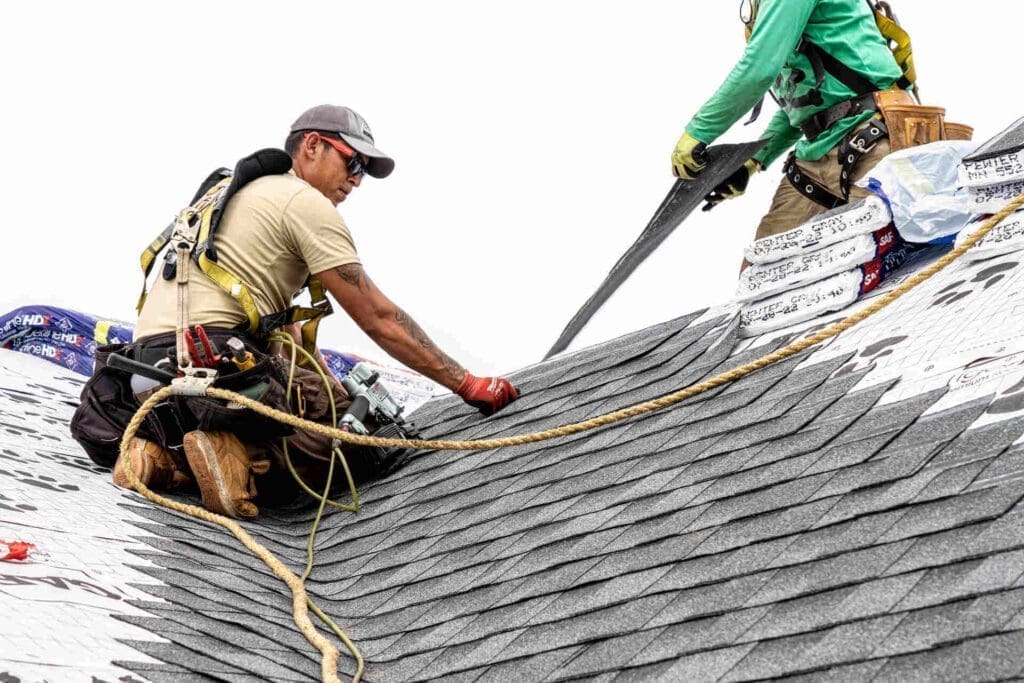
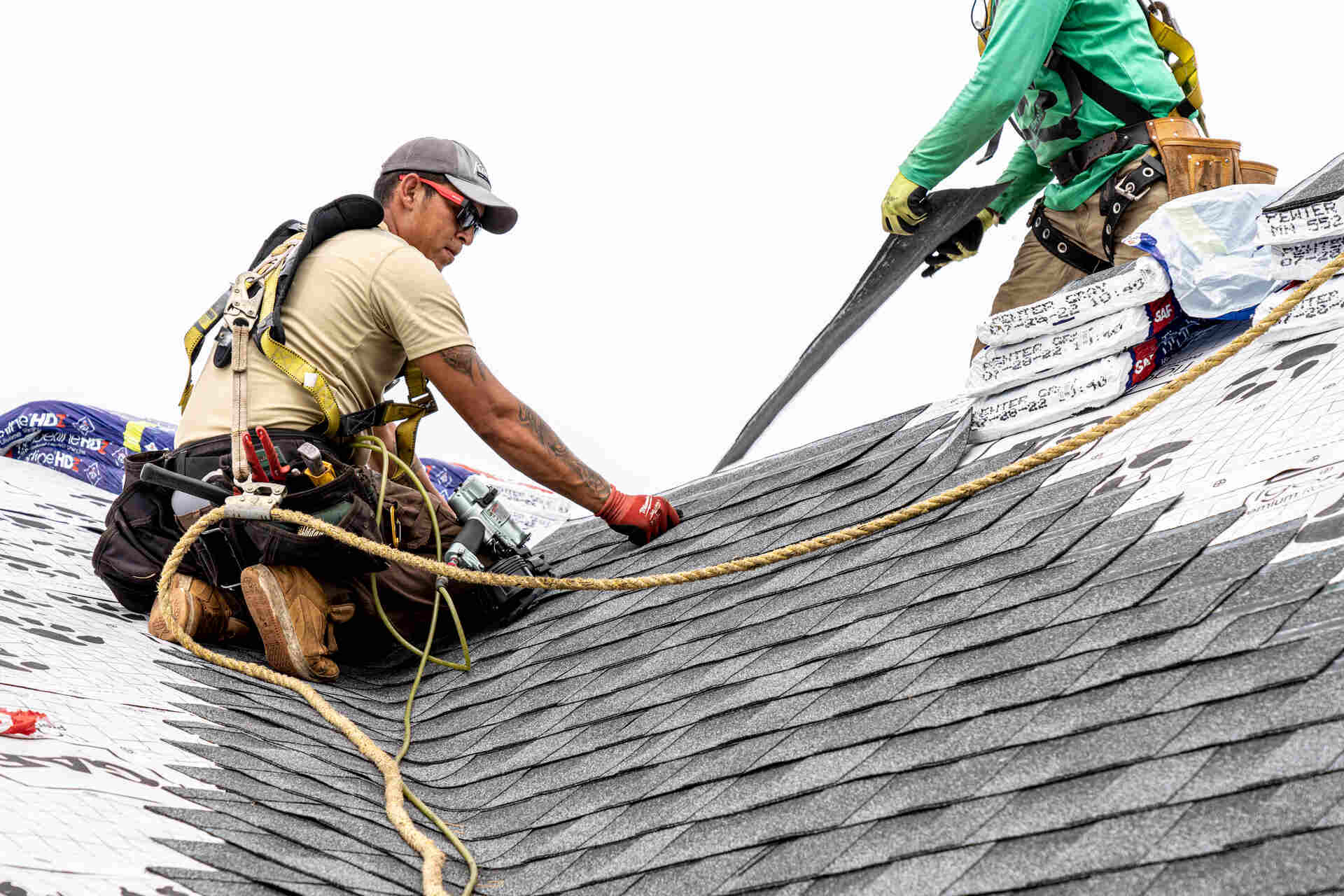
A roofer is a trained tradesperson who installs, repairs, and maintains residential and commercial roofing systems.
If you’ve ever wondered what is a roofer called, the terms roofer, roofing contractor, and roofing specialist are often used interchangeably. However, their responsibilities can vary depending on the project and company structure.
Core Roofer Responsibilities
Roofers primarily install and repair asphalt shingles, metal roofing, tile, and flat roofing systems. They also handle leak detection and storm damage repairs. Many roofers also install and maintain gutters and ventilation systems to help protect homes from moisture and water damage.
Roofer Training and Qualifications in Wisconsin
Professional roofers typically complete hands-on training, apprenticeships, and safety certification programs before working independently. In Wisconsin, reputable roofing companies must carry proper licensing, bonding, and insurance coverage to help protect homeowners throughout the project.
What Is a Roofing Contractor?
What does a roofing contractor do? A roofing contractor is a licensed business entity that manages roofing projects and employs or oversees the roofers performing the work.
Business Operations and Management
Roofing contractors handle project coordination, scheduling, estimates, customer communication, and material ordering throughout the roofing process. They also oversee quality control, manage contracts, and provide workmanship or manufacturer warranty support after the project is complete.
Licensing and Insurance Requirements
In Wisconsin, roofing contractors must meet state licensing and registration requirements and should carry liability insurance, workers’ compensation coverage, and proper bonding. Roofing contractors may opt for additional accreditation from organizations such as the Better Business Bureau to demonstrate trust and credibility.
Hiring a licensed and insured roofing contractor helps protect homeowners in the event of accidents, property damage, or warranty issues.
General Contractor vs. Roofing Specialist
Can a general contractor do roofing? Yes, many general contractors can oversee roofing work as part of a larger renovation project.
Roofing specialists focus specifically on roof systems, storm damage, ventilation, and long-term roof performance. They can also help homeowners make important decisions, including whether to replace the roof or the gutters first and which energy-efficient roofing options to choose.
For most Wisconsin homeowners dealing with roof repairs or replacements, a specialized roofing contractor often brings more roofing-specific experience and expertise.
Scope of Work Differences
General contractors typically manage larger projects that may include roofing, siding, windows, framing, or interior remodeling simultaneously. Roofing specialists focus entirely on roofing systems and often have deeper product knowledge, stronger relationships with manufacturers, and more experience handling roofing warranties and weather-related damage.
Project Complexity Considerations
Roofing specialists can usually handle simple roof repairs, full roof replacements, and storm damage inspections without the need for a general contractor. General contractors, on the other hand, manage larger projects involving structural changes or major renovations much more efficiently.
How to Choose the Right Professional for Your Wisconsin Roofing Project
Choosing the right roofing professional depends on the size and complexity of your project. Roof repairs and replacements are usually best handled by a specialized roofing contractor, while larger renovations may require a general contractor.
Homeowners should always look for local experience, proper licensing, insurance coverage, and strong customer reviews before hiring anyone.
Project Assessment Guidelines
Before hiring a roofing professional, homeowners should consider the roof’s age, the extent of the damage, and how quickly repairs are needed.
- You may want to prioritize roofing specialists with quick response times for emergency leaks, wind damage, or hail damage.
- For planned updates or replacements, roofers with local weather experience or style-specific expertise may be best.
- Long-term remodeling projects may also involve additional contractors or inspections.
Vetting and Selection Process
A trustworthy roofing company should provide clear estimates, explain the scope of work in detail, and communicate openly throughout the project. Homeowners should also look for contractors with established local reputations, recent customer reviews, and experience working with Wisconsin weather conditions and building requirements.
Frequently Asked Questions
Do I need a licensed contractor for roof repair in Wisconsin?
Yes, Wisconsin requires qualifying contractors to be licensed and registered through the Department of Safety and Professional Services (DSPS).
What’s the difference between a roofer and a roofing contractor?
A roofer performs the physical roofing work, while a roofing contractor manages the project, materials, scheduling, and crew.
Can a general contractor install a new roof?
Yes, but specialized roofing contractors usually have more roofing-specific experience and storm damage expertise.
How do I verify a roofing contractor’s license in Wisconsin?
You can verify a contractor’s license and registration through the Wisconsin DSPS online database using the company name or license number.